What Greenville Facilities Should Expect From Industrial Cleaning in 2026
Industrial cleaning services in Greenville keep warehouses, plants, and logistics hubs safe, compliant, and running. If your facility still runs on a basic janitorial schedule, you are likely falling behind on both safety and uptime.
Greenville's industrial sector is busy, and busy facilities make a lot of mess. Grease, dust, and metal shavings build up faster than a standard crew can handle. Here is what has changed in 2026 and what your facility actually needs.
Why Greenville's Industrial Growth Raises Your Cleaning Standards
Bigger facilities and faster production schedules create more contamination, which means your cleaning plan has to scale too. The Upstate market is running hot right now. According to the Cushman & Wakefield Greenville-Spartanburg industrial report, the market recorded nearly 1.8 million square feet of new leasing in the third quarter of 2026, pushing year-to-date leasing past 9.0 million square feet.
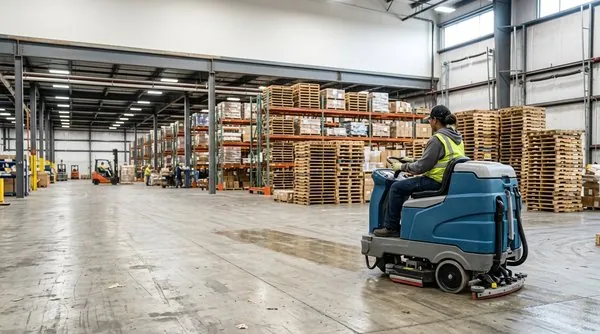
More square footage means more forklift traffic, more equipment, and more residue ground into your floors. A mop and a shop vac will not touch it. That is why industrial cleaning relies on floor scrubbers, sweepers, and degreasers built for heavy-duty conditions.
Industrial Cleaning vs. Standard Janitorial Work
Industrial cleaning uses heavier equipment, surface-specific chemistry, and safety training that office janitorial work does not require. The two jobs are not interchangeable. Here is how they compare:
| What It Covers | Standard Janitorial | Industrial Cleaning |
|---|---|---|
| Equipment | Vacuums, mops, carts | Ride-on scrubbers, sweepers, pressure washers |
| Surfaces | Carpet, tile, laminate | Sealed concrete, epoxy coatings, steel |
| Main soils | Dust, spills, trash | Grease, soot, metal fines, compacted grime |
| Scheduling | Nightly or weekly | Phased around shifts and production runs |
| Training focus | Appearance and sanitation | OSHA compliance and chemical handling |
If you are still deciding which one fits your building, our breakdown of commercial versus industrial cleaning walks through the differences in more detail.
Safety and OSHA Compliance Start on the Floor
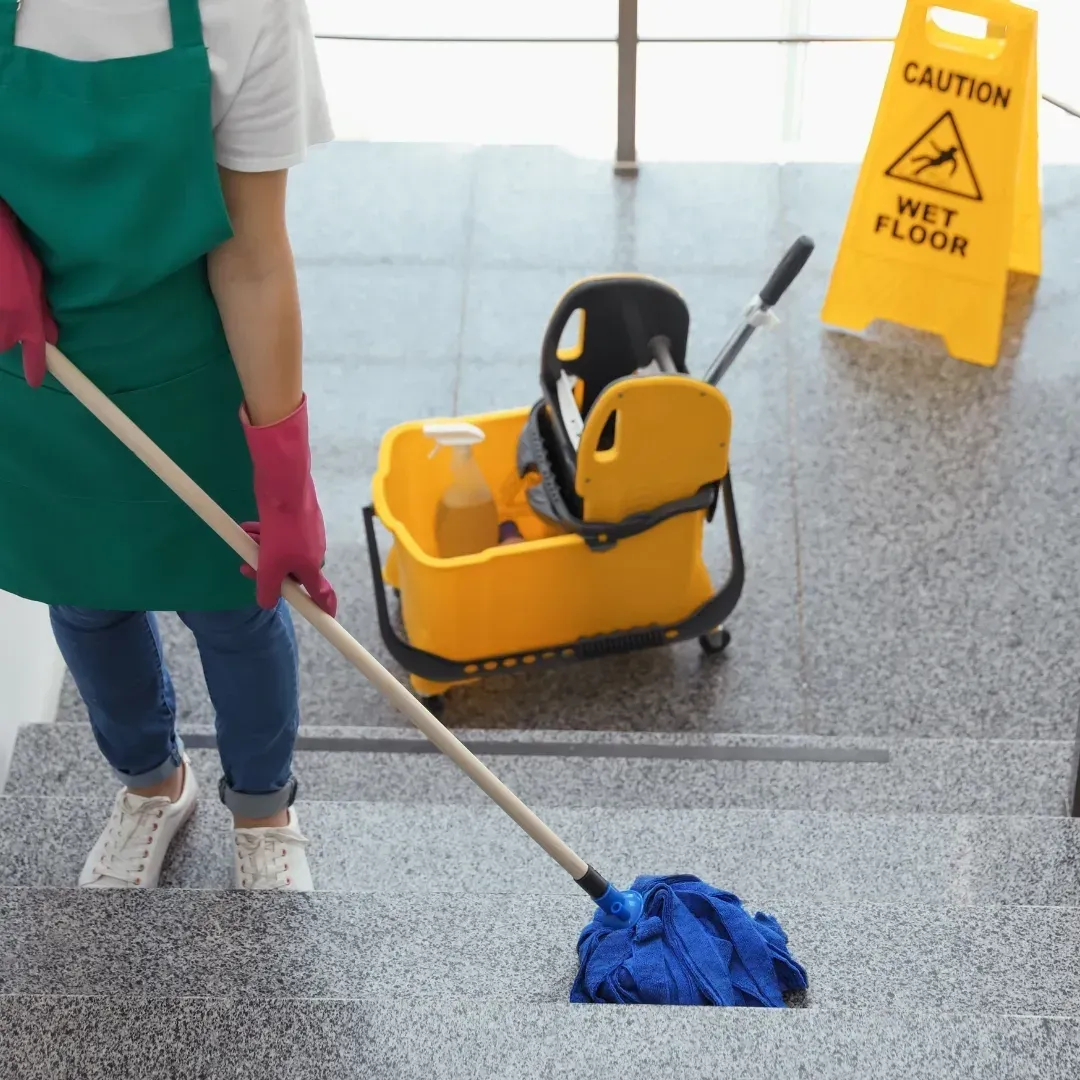
Dirty floors are a compliance problem, not just an appearance problem. OSHA's walking-working surfaces standard (29 CFR 1910.22) requires that all places of employment, passageways, and storerooms stay clean, orderly, and sanitary. Floors also have to stay free of spills and other hazards.
That matters because the risks are real:
- Slips and falls. Grease and standing water on concrete create immediate hazards for your crew.
- Equipment wear. Fine dust works into bearings, motors, and fans, which is a leading cause of unplanned equipment downtime.
- Air quality. Airborne particulates affect workers who spend eight or more hours on the floor every day.
- Citations. A failed inspection costs far more than a cleaning contract.
In short, a clean floor protects your people, your machines, and your record.
How We Clean Around Active Production Schedules
Good industrial cleaning works around your shifts, not against them. Many Greenville facilities run two or three shifts, and some never stop. So the schedule has to bend to fit your operation. Here is how that usually works:
- We walk the facility. You show us the high-traffic zones, the restricted areas, and the surfaces that need special handling.
- We map the downtime. Together we find the windows when each section is accessible, whether that is overnight, weekends, or between runs.
- We clean in phases. Crews work section by section so one area stays clear while another gets scrubbed.
- We coordinate daily. Your facility manager knows who is on site, where they are working, and when they will be done.
- We clear out before the next shift. Floors are dry and aisles are open before your team loads in.
The goal is simple. Your production never stops because of cleaning.
Cleaning Needs for New and Expanding Facilities
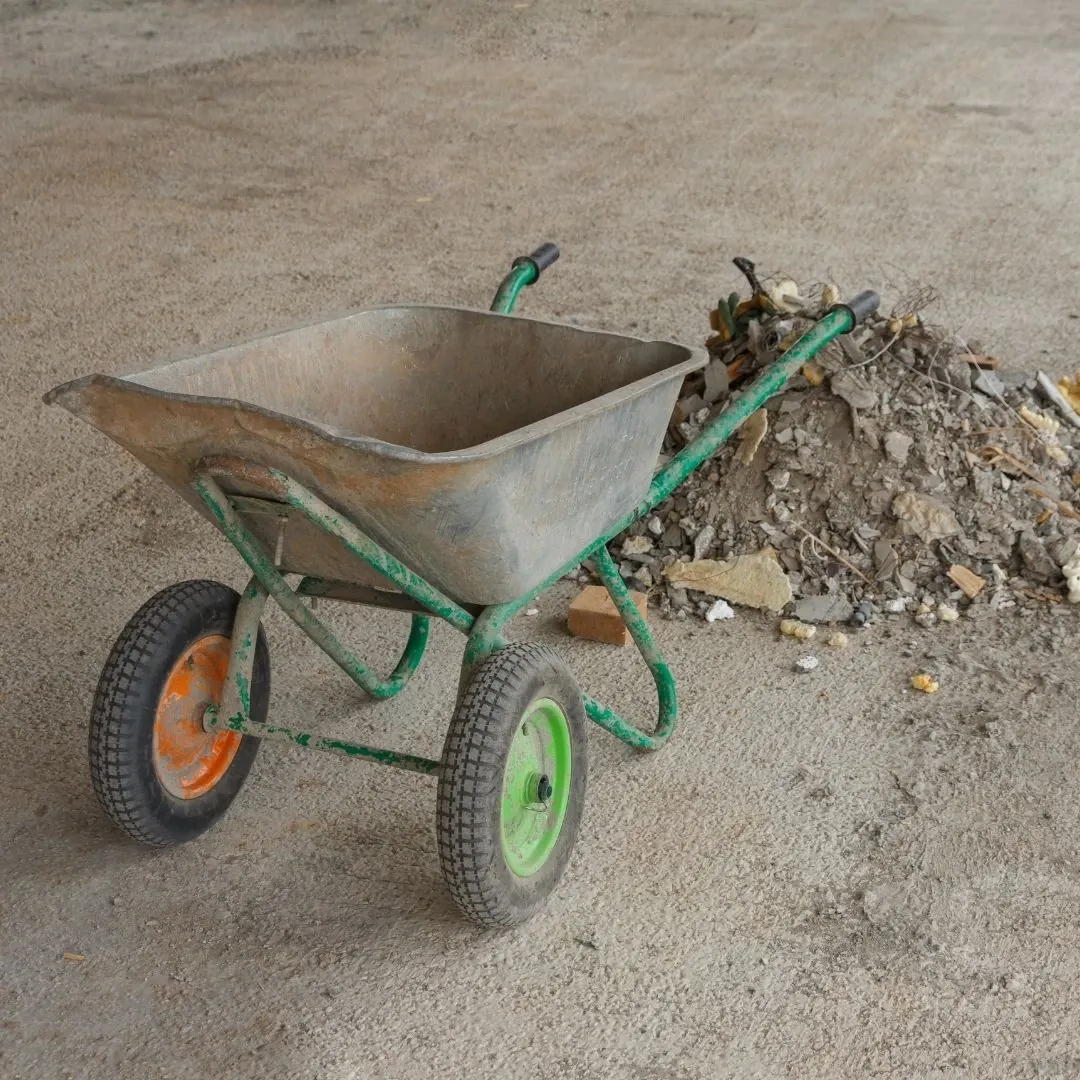
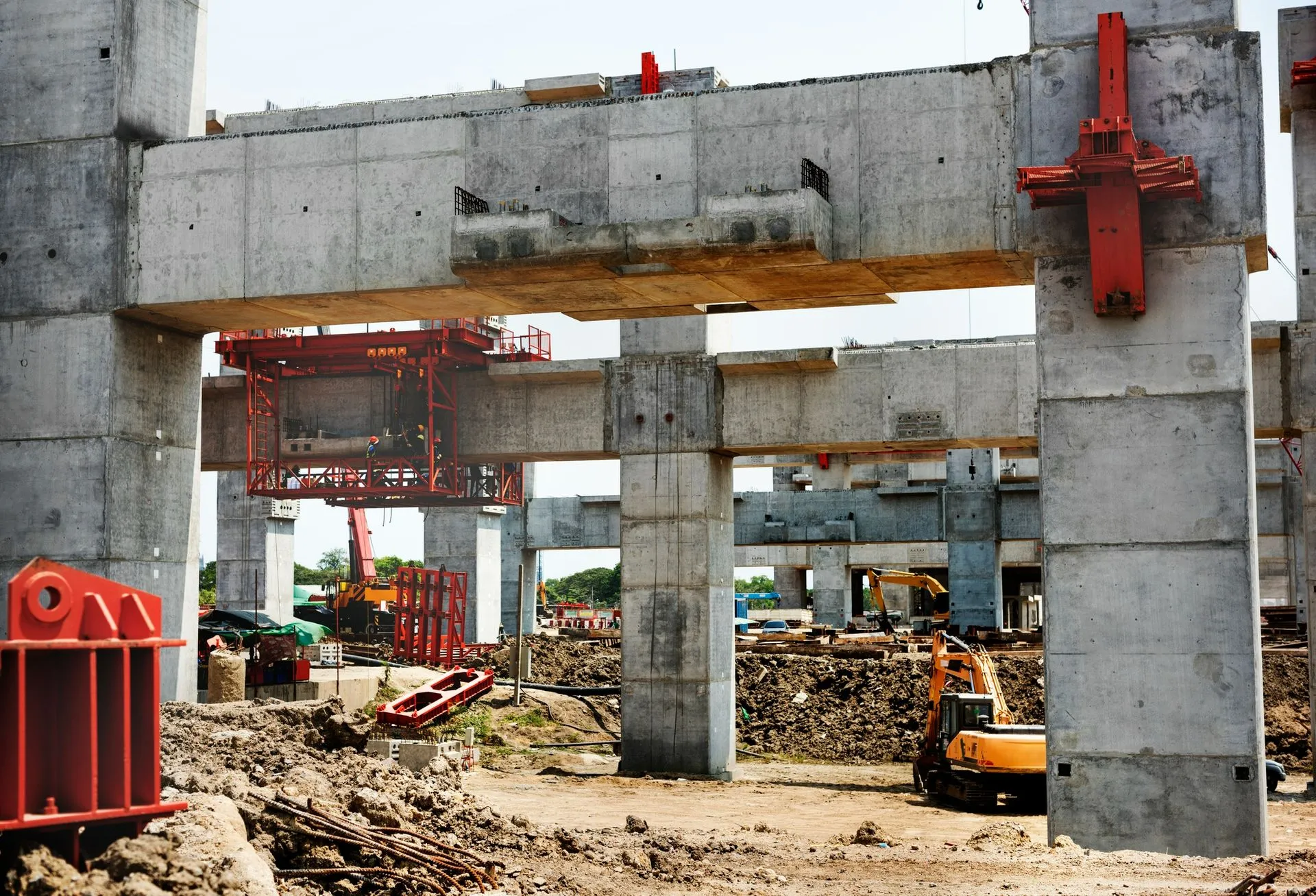
New construction and expansions need a different kind of cleaning before you can put them into service. Freshly built spaces carry concrete dust, drywall residue, adhesive, and debris that regular maintenance cleaning will not remove. Because of that, you need a construction cleaning crew that knows how to make a space truly move-in ready.
Expansions get trickier. You have an active production area on one side of a wall and a construction zone on the other. Fine dust travels, so the cleaning plan has to contain it while your team keeps working. Our guide on hiring a construction cleanup crew covers what to look for in that situation.
What You Gain by Outsourcing Industrial Cleaning
Outsourcing removes the hiring, training, and compliance burden that comes with an in-house cleaning crew. Staffing that team yourself is harder than it looks. You would be managing:
- Background checks and onboarding
- Chemical handling certifications
- Equipment purchases, training, and repairs
- Shift coverage when someone calls out
- Chemical storage records that meet regulations
When you outsource, all of that goes away. You get insured, trained professionals on a set schedule and consistent results you can plan around. For a facility manager already juggling output targets, vendors, and safety audits, that is one less department to run.
Industrial Cleaning Across Greenville and the Upstate
A local crew understands the facilities and the drive times across the Upstate, which affects how fast we can respond when you need us. Every community here has a different mix. Landrum leans toward smaller manufacturing shops. Belton has a growing logistics presence. Central sits close to major corridors.
We serve all of them, plus Spartanburg, Anderson, Easley, Mauldin, Seneca, and more. Because we are based in Greenville, we can schedule around your shifts without long travel windows cutting into your service time.
FAQs About Industrial Cleaning
How often should my facility schedule industrial cleaning?
Most active facilities do well with weekly or bi-weekly service. High-output plants with heavy grease or dust may need more. A good provider will walk your building first and then recommend a schedule based on what they see.
What contaminants does industrial cleaning remove?
Typical targets include grease, soot, metal shavings, concrete and industrial dust, chemical residue, and compacted floor grime. The exact mix depends on what you produce and how your equipment runs.
Is industrial cleaning the same as post-construction cleaning?
No. Post-construction cleaning is a one-time service that clears building debris and dust from a new or renovated space. Industrial cleaning is ongoing and manages the contamination your daily operations create.
Do I need to supply any equipment or chemicals?
No. Your provider should bring their own scrubbers, sweepers, degreasers, and protective gear, along with the certifications and insurance to use them on your site.
Schedule Industrial Cleaning for Your Greenville Facility
Ready to get your facility on a cleaning schedule that fits your production reality? Call S&M Pro Clean LLC at (864) 908-9507 or request a free estimate. We will walk your building, learn your shift pattern, and build a plan around your team and your timeline.
SHARE THIS ARTICLE
RECENT ARTICLES