
What Manufacturing Plants and Logistics Warehouses Need From a Cleaning Plan
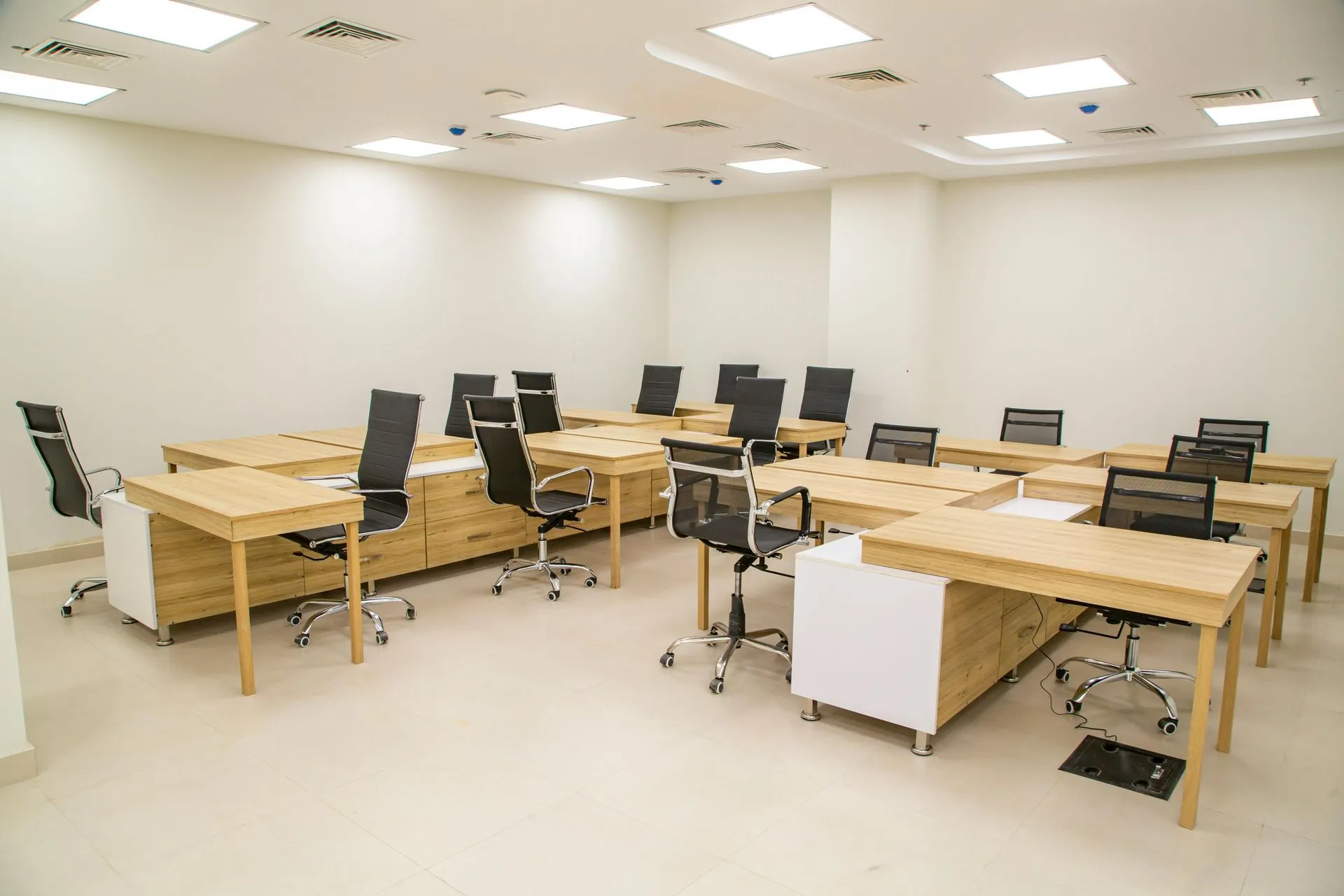
Manufacturing plants and logistics warehouses both need heavy-duty cleaning, but they do not need the same plan. Your plant collects grease, metal fines, and chemical residue around equipment. Your warehouse collects tire marks, pallet splinters, shrink wrap, and whatever your drivers track in from the dock. When both buildings run under one generic contract, one of them almost always falls behind.
Here is how the two facility types differ, so you can set the right crew, the right schedule, and the right budget for each.
Why One Plan Rarely Fits Both Buildings
The soils, the traffic patterns, and the available cleaning windows are different in each building, so the schedule has to be different too. A plant has fixed equipment you clean around. A warehouse has moving equipment and a wide-open floor that gets covered and uncovered all day.
Space is also tighter across the Upstate than it used to be. Industrial vacancy in the Greenville-Spartanburg market fell to about 5% in the third quarter of 2026, according to CBRE data reported by Greenville Business Magazine. In other words, you likely cannot shut a line down and shift work to a spare bay while someone scrubs. That makes industrial cleaning a scheduling problem as much as a cleaning one.
Where Manufacturing Plants Get Dirtiest
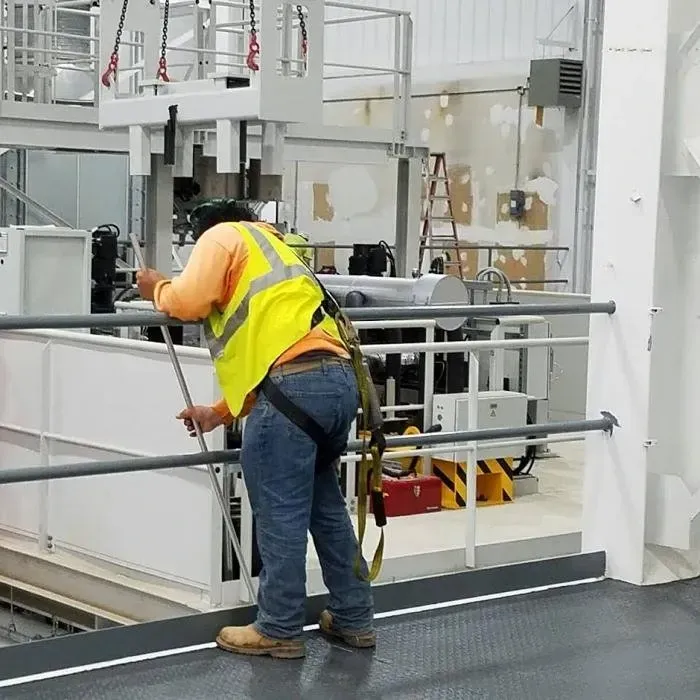
In a plant, the worst buildup happens near anything that cuts, heats, mixes, or moves product. Those spots need attention first because they create the most risk when you ignore them.
Watch these areas closely:
- Around Machine Bases: Oil, coolant, and metal fines collect around machine bases and turn floors slick.
- Overhead Beams and Ductwork: Fine dust settles up high, then drops onto product or into motors.
- Chemical Handling and Mixing Zones: Residue dries, flakes, and spreads on foot traffic.
- Ventilation Intakes and Fans: Clogged intakes pull more dust into the air your crew breathes.
- Break Rooms Next to Production: Workers carry residue in on boots and gloves.
Dust is not only a housekeeping issue, either. Fine particles work into bearings and fans, which is one of the quietest causes of unplanned equipment downtime in plants like yours.
Where Logistics Warehouses Get Dirtiest
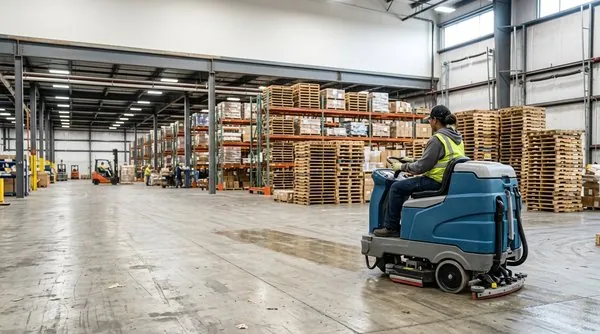
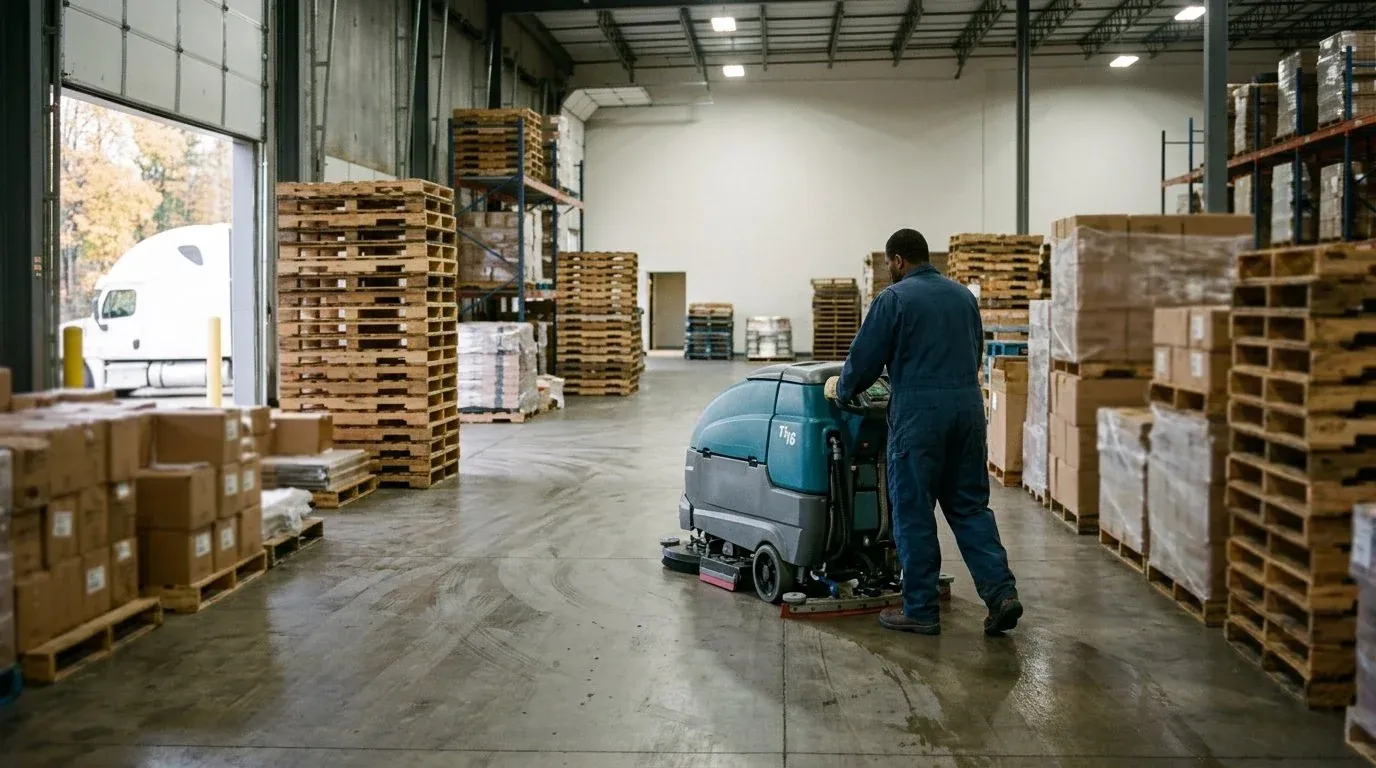
In a warehouse, the mess follows the wheels. Forklifts, pallet jacks, and trucks drag in moisture, grit, and rubber, and that grime spreads fast down long aisles.
Your trouble spots usually include:
- Loading docks and dock plates. Mud, road salt, and spilled product land here first.
- Main travel aisles. Tire rubber bakes into sealed concrete and gets slippery when wet.
- Racking uprights and cross beams. Dust settles on beams and falls onto cartons below.
- Battery charging and fuel areas. Acid residue and fluid drips need careful handling.
- Staging and returns zones. Shrink wrap, banding, and broken pallets pile up quietly.
That grime adds real risk. Bureau of Labor Statistics data shows the warehousing and storage industry records roughly 4.8 recordable injuries per 100 full-time workers, nearly double the rate across all private industry. Clean aisles will not fix every hazard, but they remove one you can control. If you run a distribution hub up in Spartanburg, the same pattern holds.
Plant and Warehouse Cleaning at a Glance
Here is a quick side-by-side so you can see where the two buildings split.
| What to Compare | Manufacturing Plant | Logistics Warehouse |
|---|---|---|
| Main soils | Grease, coolant, metal fines, chemical residue | Tire rubber, grit, road salt, packaging debris |
| Dirtiest zones | Machine bases, overhead, mixing areas | Docks, travel aisles, staging zones |
| Typical equipment | Degreasers, HEPA vacuums, walk-behind scrubbers | Ride-on scrubbers, sweepers, pressure washers |
| Best cleaning window | Between runs or during planned downtime | Overnight or between truck waves |
| Biggest safety concern | Airborne dust and slick residue near machines | Slips and low visibility in forklift lanes |
| Access challenge | Restricted and locked-out equipment areas | Full racking that cannot be moved |
How Often Each Area Needs Attention
Set frequency by zone, not by building. Some areas need nightly attention, while others hold up fine for a quarter. A simple tiered schedule keeps you from overpaying for the easy spots and underserving the hard ones.
Use this as a starting point:
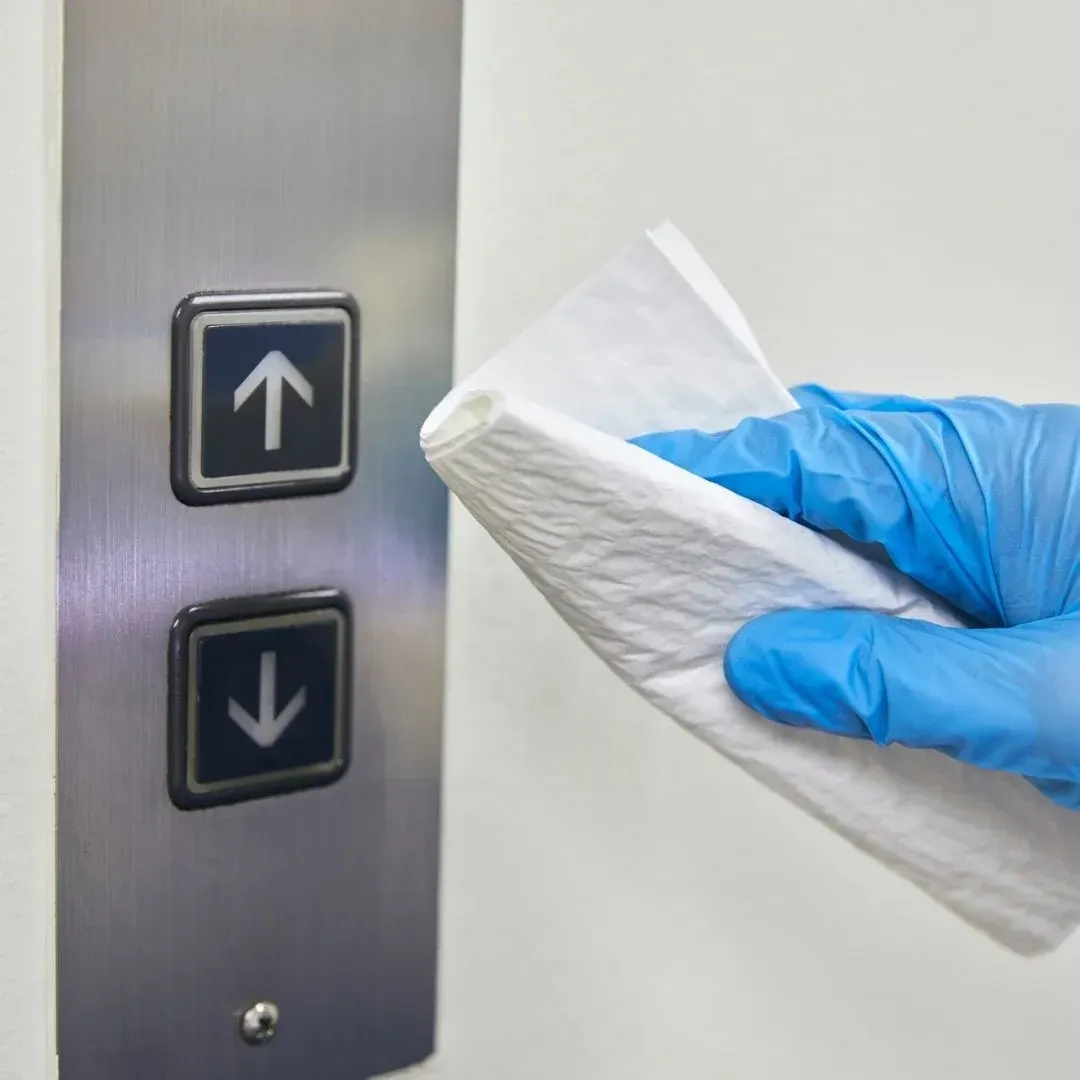
- Daily: Dock aprons, main aisles, restrooms, and break rooms.
- Weekly: Machine surrounds, staging zones, and floor scrubbing in high-traffic lanes.
- Monthly: Degreasing around equipment, racking wipe-downs, and battery area cleaning.
- Quarterly: Overhead dust removal, ductwork exteriors, and deep floor restoration.
Your front offices run on a separate rhythm, since they collect different soils entirely. Most sites pair the plant schedule with a lighter office cleaning rotation rather than sending the heavy crew in there. For more on building the schedule itself, our guide on what Greenville facilities should expect from industrial cleaning walks through how crews phase work around active shifts.
What Changes During Peak Season and Winter
Late fall pushes both buildings harder, so your cleaning plan should flex with it. Warehouses move more freight through November and December, which means more dock traffic and more debris. Plants run closer to full capacity, and doors stay shut, so dust and fumes hang around longer than they do in warmer months.
Three adjustments help most:
- Double up on dock and entry cleaning. Rain, mud, and salt come in on every trip.
- Add a mid-shift aisle pass. It keeps lanes clear while volume peaks.
- Watch indoor air quality. HEPA-filtered dust control matters more once the bay doors stay closed.
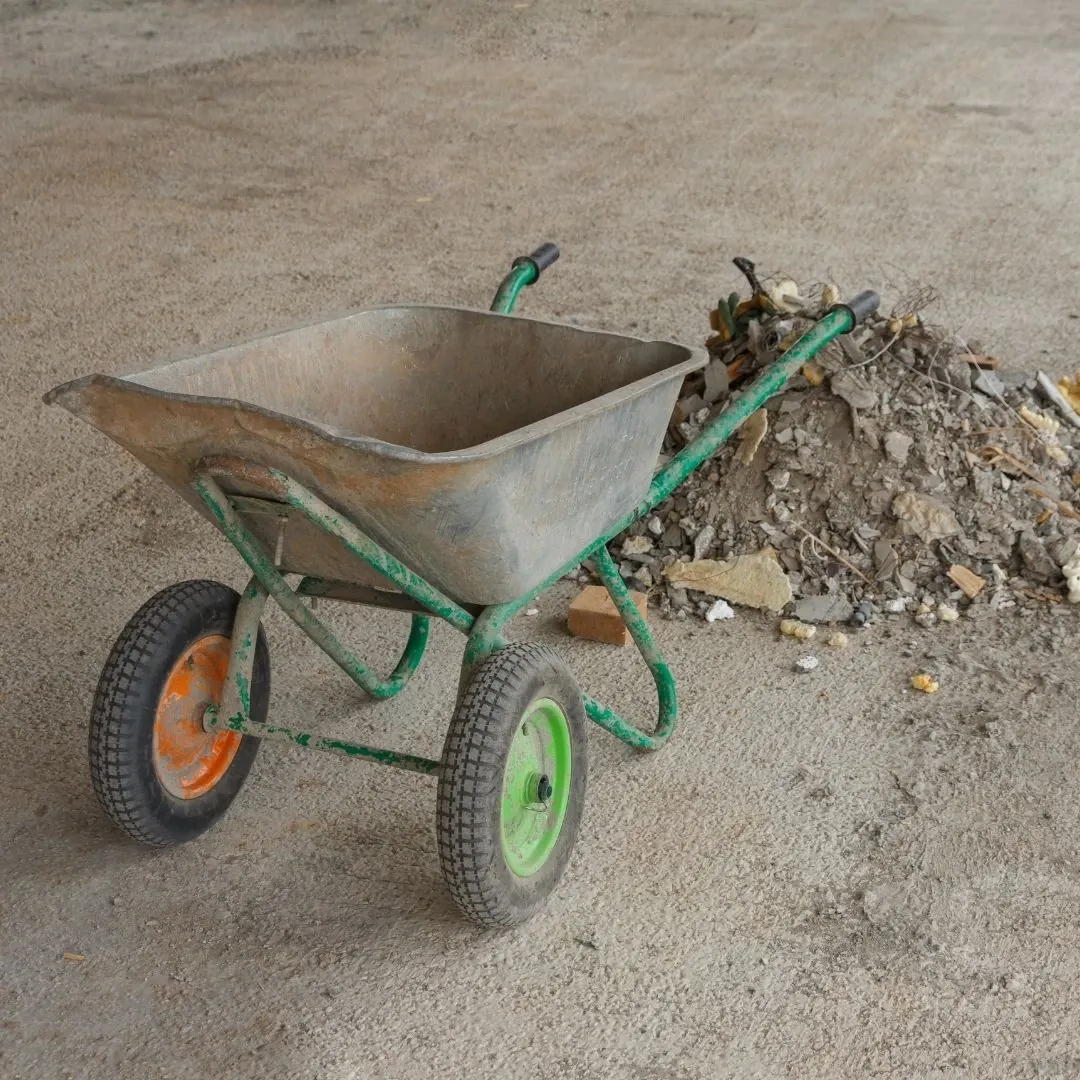
If you are also finishing a buildout or adding bay space this season, keep that work separate. New construction leaves concrete dust and drywall residue behind, and a construction cleaning crew handles that far better than your regular maintenance rotation.
FAQs About Industrial Cleaning
Can one crew cover both a plant and a warehouse on the same site?
Yes, as long as the plan treats them as separate zones with separate frequencies and equipment. Problems start when one checklist gets applied to both.
How do you clean around racking that is always full?
Crews work section by section and clean the floor, uprights, and reachable beam faces without moving inventory. Higher beams get handled during slower periods or scheduled shutdowns.
Which flooring problems show up in a warehouse first?
Tire rubber in travel lanes and worn sealer near dock doors usually appear before anything else. Both get worse quickly once moisture gets involved.
Should we clean more often during peak shipping months?
Most sites add dock and aisle passes from October through December, then return to the regular schedule in January.
Does a cleaning schedule help with safety inspections?
It helps. Documented cleaning logs show inspectors that housekeeping happens on a set cadence instead of only before a visit.
Build a Cleaning Plan That Fits Your Facility
If your plant and your warehouse are running on the same checklist, you are probably overserving one and underserving the other. We can walk both buildings, map your shift windows, and set frequencies by zone so nothing gets missed.
Call S&M Pro Clean LLC at (864) 908-9507 to schedule a walkthrough in Greenville or anywhere across the Upstate.
SHARE THIS ARTICLE
RECENT ARTICLES